
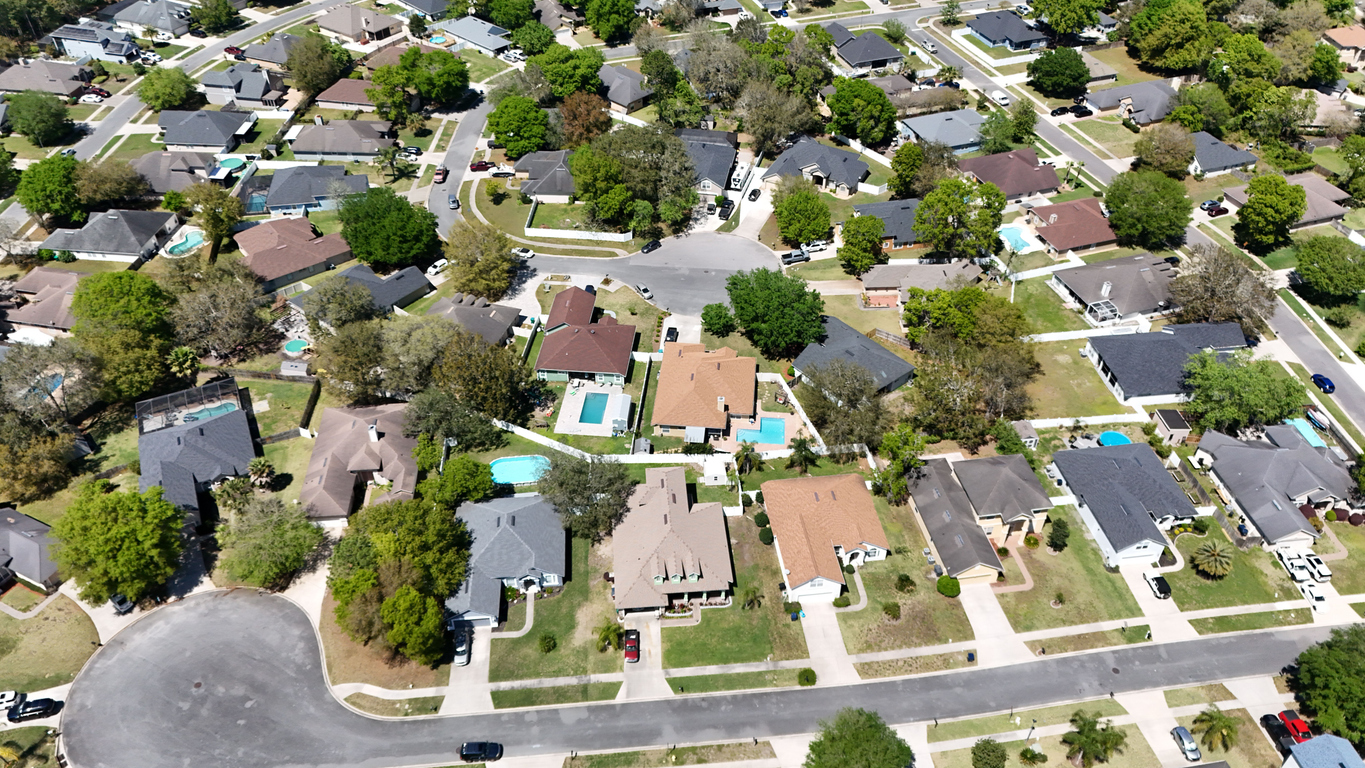
Spring in Tampa brings warmer days in the 70s, longer stretches of sunshine, and those familiar afternoon downpours. While March isn’t the peak of summer heat, the combination of increasing UV exposure, rising humidity, and steady rain begins the early stages of spring roof damage in Tampa. The rain may pass quickly, but the lingering moisture and returning sun can quietly wear down roofing materials — especially if minor issues already exist.
By the time summer storms arrive, small problems caused by spring weather can turn into expensive repairs. That’s why early-season maintenance is especially important for homeowners in Tampa, FL, and throughout Hillsborough County. At Blue Peak Roofing, we understand how Florida’s climate affects roofs long before hurricane season begins.
How Spring Roof Damage in Tampa Begins: Sun, Humidity, and Rain
Even though temperatures feel comfortable in March, the combination of sunlight, humidity, and fast-changing weather patterns start affecting your roof earlier than most homeowners realize. Small amounts of wear in spring can become major problems once heavier rainfall and summer storms arrive.
Increasing UV Exposure Gradually Breaks Down Shingles
Longer sunny days mean shingles spend more time under direct sunlight. Even without extreme heat, steady UV exposure can lead to fading, granule loss, curling edges, and shingles becoming stiff or brittle.
This early-season wear weakens a roof gradually. By summer, shingles already stressed by spring roof damage in Tampa are more likely to fail under heavy rain or strong wind.
Heat Expansion and Cooling Cycles Stress Roofing Materials
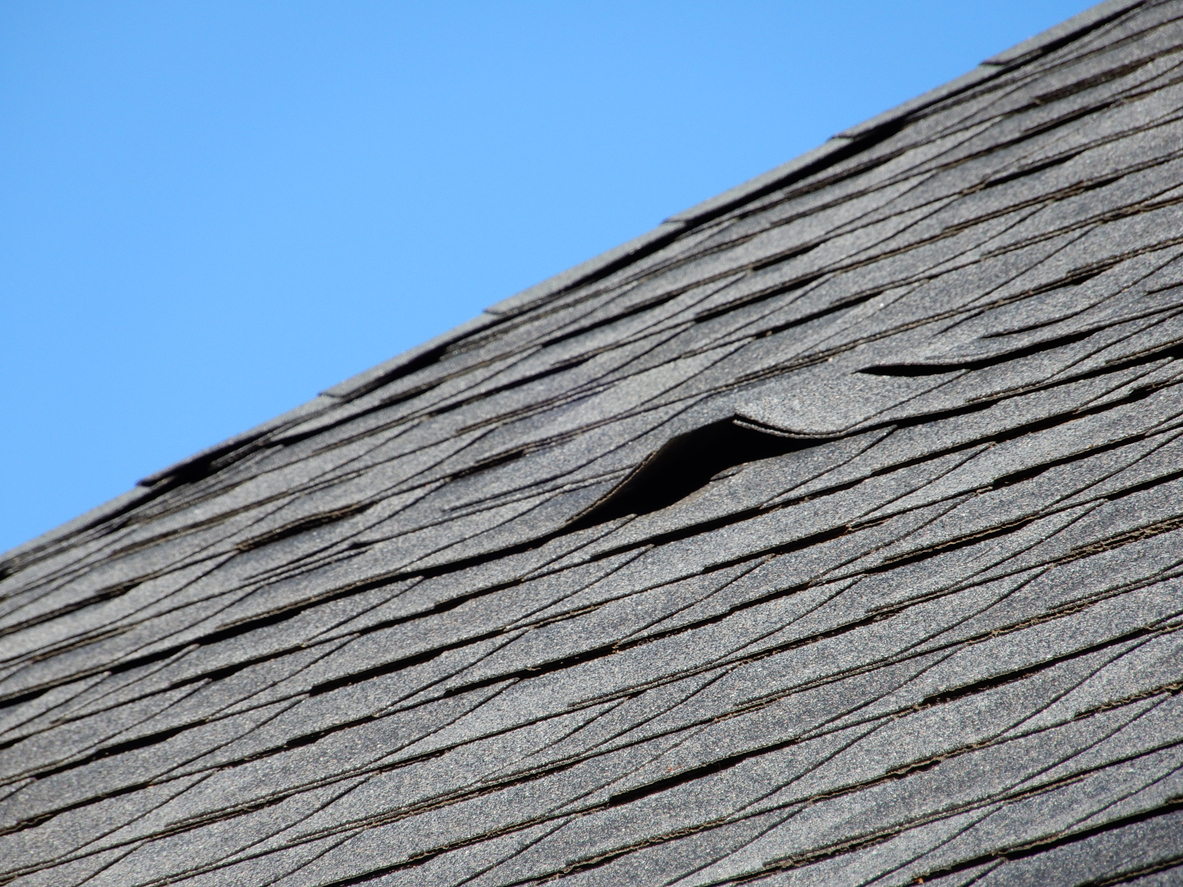
Temperature swings in early spring can cause shingles to lift or loosen.
While March doesn’t bring extreme heat, everyday temperature swings still impact your roof. Warm afternoons and cooler evenings cause roofing materials to expand and contract. Over time, this can loosen nails and fasteners, weaken adhesive seals, create gaps around flashing, and put stress on the roof decking.
These shifts are subtle but contribute to spring roof damage in Tampa, especially when followed by repeated rainfall.
Fast-Moving Spring Rain Reveals Hidden Weak Spots
Tampa’s afternoon showers often come and go quickly, but even short bursts of rain can expose trouble areas such as cracked shingles, worn flashing around vents or chimneys, failing sealant around skylights, or poor drainage in roof valleys.
Because water travels along surfaces before dripping inside, a leak typically means the problem has existed for weeks. Early spring is the ideal time to identify and fix these issues.
Rising Humidity Encourages Algae Growth
Humidity is one of the biggest contributors to spring roof damage in Tampa. After rain, moisture often lingers on shaded or north-facing roof sections, creating ideal conditions for algae to grow.
Signs include black streaks, dark patches, or staining that holds moisture against the shingles. Over time, algae can shorten the lifespan of a roof by keeping the surface damp.
Spring Debris Can Clog Gutters and Affect Drainage
Pollen, seed pods, leaves, and small branches can clog gutters quickly in spring. When gutters fill up, water cannot drain properly. This can cause water to back up under shingles, keep fascia boards damp, cause rot at the roof’s edge, and lead to pooling water around the foundation.
Proper drainage is essential in Florida’s rainy climate. Clean gutters reduce the risk of water-related roof damage.
Why March Is the Best Time for a Roof Check in Tampa
By late spring, roofing companies across Tampa begin to fill their schedules. A spring inspection gives homeowners the best chance to catch early wear, refresh aging sealants and flashing, replace damaged shingles, improve drainage, and prepare confidently for storm season.
The earlier spring roof damage in Tampa is identified, the easier and more affordable it is to fix.
FAQs About Spring Roof Damage in Tampa
What causes spring roof damage in Tampa?
A mix of increasing UV exposure, humidity, afternoon showers, and temperature swings contributes to gradual wear on shingles and flashing.
Does humidity really damage roofs in Tampa?
Yes. Humidity traps moisture on shingles, encourages algae growth, and accelerates deterioration, especially on shaded roof areas.
Is March a good time for a roof inspection in Tampa?
Absolutely. It’s the best time of year to catch early damage before heavier spring rain and summer storms arrive.
How can I tell if my roof has early spring damage?
Look for curling shingles, dark streaks, granules in gutters, or small marks on ceilings. However, many issues are only visible during a professional inspection.
Can small spring roof damage turn into major leaks?
Yes. Minor issues hidden in March can become significant leaks once heavy summer rain or tropical weather moves in.
Protect Your Home Before Tampa’s Rainy Season Intensifies
Tampa’s spring weather may feel mild, but the combination of sunlight, humidity, and afternoon showers places steady stress on roofing materials. What starts as minor spring roof damage in Tampa can turn into costly water intrusion once summer storms begin.
Blue Peak Roofing provides professional inspections, maintenance, and repairs for homeowners throughout Tampa, FL, and Hillsborough County. Our team understands the challenges of Florida’s climate and helps homeowners stay ahead of seasonal roof damage.
If it’s been a while since your last roof inspection, spring is the perfect time to schedule one.
Contact Blue Peak Roofing today to ensure your roof is ready for the months ahead.